
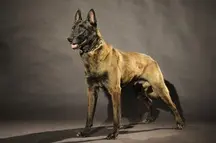
Doberman vs. German Shepherd: Which Is the Right Protection Dog for Your Family?
Both the Doberman and the German Shepherd can be exceptional family companions and capable protection dogs. We select, train and place both because different families value different qualities—and exceptional dogs exist in each breed.
The useful question is not which breed wins a comparison. It is which individual dog offers the temperament, companionship and capabilities you want to live with.
Breed characteristics provide a starting point. Understanding your family and knowing the dog firsthand are what make a recommendation meaningful.
Why Families Choose a Doberman
The Doberman combines an athletic, unmistakable appearance with a strong desire to be involved in family life. Many owners appreciate the contrast: an imposing presence to someone approaching from outside, and an affectionate, playful companion with the people it knows.
For families who enjoy a dog that stays close and takes an active interest in their day, that connection can be a major part of the appeal. A well-selected Doberman can bring responsiveness, enthusiasm and protective capability without making every outing or visitor an event.
Its short coat also offers a relatively straightforward grooming routine. Dobermans still shed, but their coat generally requires less maintenance than a German Shepherd’s double coat.
These qualities make the Doberman worth considering for families seeking close companionship, a commanding appearance and practical everyday training.
Why Families Choose a German Shepherd
The German Shepherd brings an equally compelling combination of intelligence, presence and willingness to engage with its handler. Many families enjoy having a dog that takes genuine interest in shared activities, responds enthusiastically to direction and becomes an involved part of household life.
A well-selected German Shepherd can be affectionate and playful with its family while bringing the confidence and capability needed for protection work. Its substantial appearance can also provide a visible deterrent before any trained response is requested.
For households that enjoy walks, training and activities with their dog, the breed’s engagement can be particularly rewarding. The ability to settle indoors matters just as much, and it is something we evaluate in the individual dogs we recommend.
German Shepherds have a double coat, so regular brushing and seasonal shedding are practical considerations. For many owners, that grooming commitment is a comfortable trade-off for the companionship they value.
What Matters When You Have Children?
Either breed can be an excellent choice for a family with children. Neither breed name, however, tells us enough to recommend a particular dog.
We begin with your household. How old are your children? Are they comfortable around dogs? Do friends visit frequently? Are there other pets, caregivers or relatives sharing the home?
Then we consider the individual dog’s temperament, energy, responses to everyday activity and experience around children. A dog suited to a household with teenagers may not be our recommendation for a family with toddlers.
Training and selection are part of the equation. Age-appropriate supervision, respectful interactions and clear guidance for the family remain part of successful ownership with either breed.
Appearance, Deterrence and Protection Are Different Things
Both breeds have an appearance that can discourage an unwanted approach. That natural deterrent is valuable, but it does not establish what a dog will do if a situation escalates.
A trained deterrence response adds a purposeful warning display on the handler’s command. Protection training develops physical defensive capability, with responsiveness and stopping on command central to the work.
Some families want a professionally trained companion. Others want handler-initiated deterrence or personal protection. We discuss those expectations early and explain the capabilities of the dog being considered.
A friendly dog can be a capable protector. A dog that barks readily is not necessarily one. We assess what the individual dog demonstrates rather than relying on appearance or breed reputation.
Daily Life Should Guide the Decision
Before choosing between a Doberman and a German Shepherd, consider the life you want to share with your dog:
- How much activity and interaction do you enjoy each day?
- How often do guests, children’s friends or service providers visit?
- Will your dog accompany you to work, on outings or while traveling?
- How much grooming and shedding are you comfortable with?
- Do you want companionship, deterrence or physical protection capability?
Both breeds include individuals with different energy levels, personalities and abilities to settle. We use these questions to understand your preferences, then evaluate which dog fits them.
Health and Investment: Look at the Individual
Health deserves attention with either breed. Family history, veterinary records and available screening results provide information about the dog you are considering. Pedigree or appearance alone cannot promise future health.
Ask what is documented, whether there are known concerns and what the written health guarantee covers.
Price also reflects more than breed or training level. Temperament, genetics, appearance, maturity, acquisition costs and development can all contribute to an individual dog’s value. A higher-priced dog is not automatically the better match for your family.
Our Recommendation Begins With You
At High-Class K9, we work with both Dobermans and German Shepherds because we know what exceptional individuals from each breed can offer.
Tell us how you live, what you expect and what appeals to you about each breed. We combine that understanding with firsthand knowledge of our dogs to make a recommendation.
If we have the right dog, we will explain why. If we do not, we will tell you.
The best choice is the dog whose companionship you enjoy, whose needs fit your daily life and whose capabilities match your expectations.